

01

3D modeled car
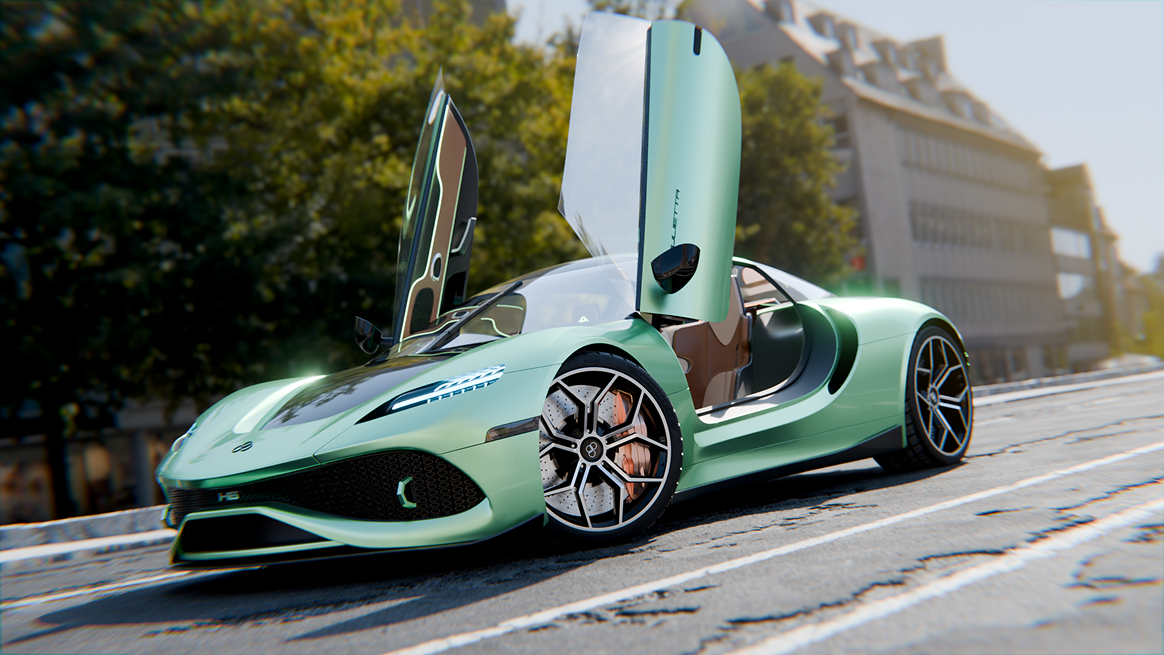
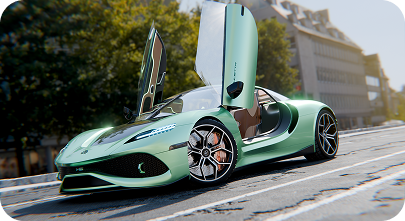
After working with environments in Blender, I followed a course in advanced surface modelling and built a complete car model. I enjoyed this more focused challenge even more, from shaping the body to developing materials and presenting the car in different scenes.

01
Ideation & process
02
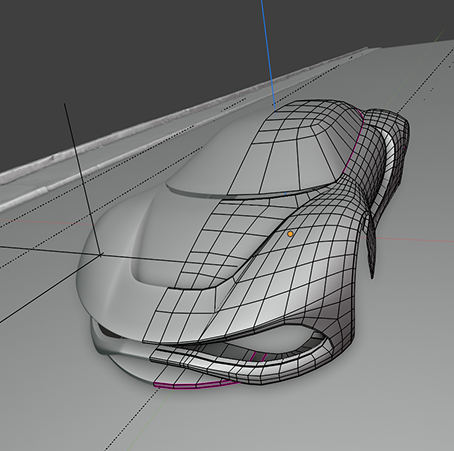
I began with a base surface for the whole car, then separated its parts and shrinkwrapped them onto the original mesh to refine the bodywork. This process taught me how topology and modifiers affect the quality of a curved surface.
02
03

Details and materials
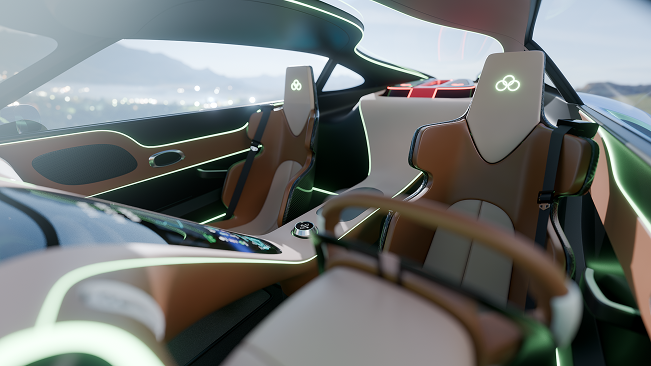
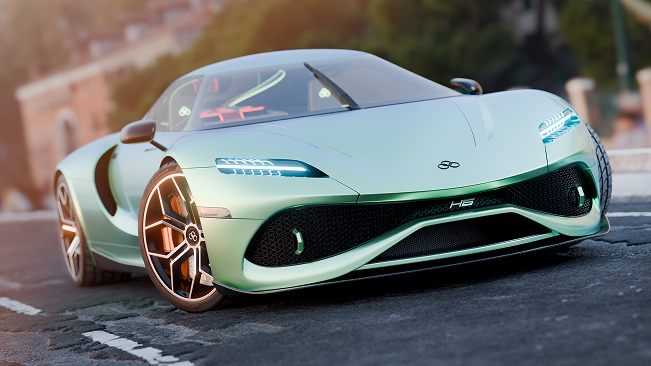
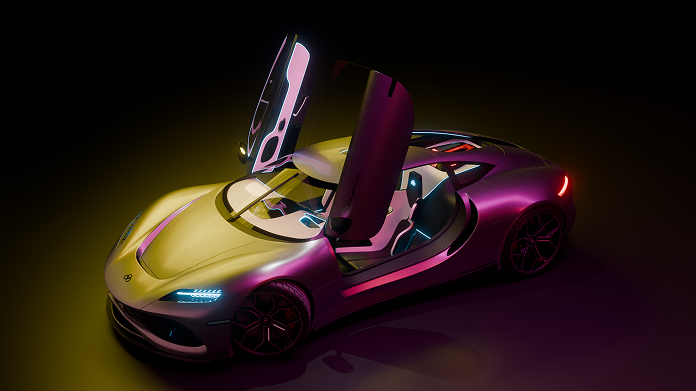
I modelled the car’s exterior and interior, developed procedural materials, and explored how different colours changed its appearance. The interior and studio renders show details that are less visible in the outdoor scenes.
03
04
Presenting the finished model
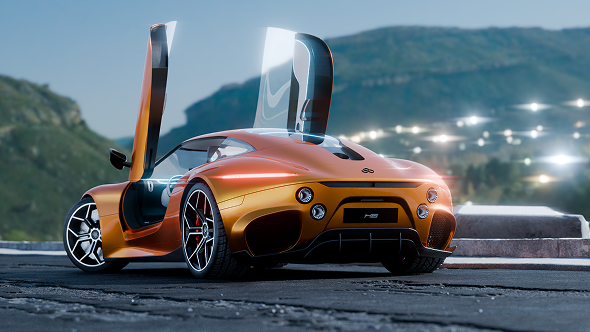
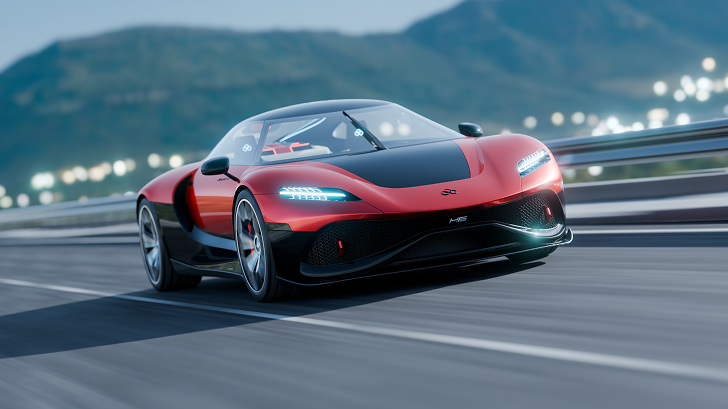
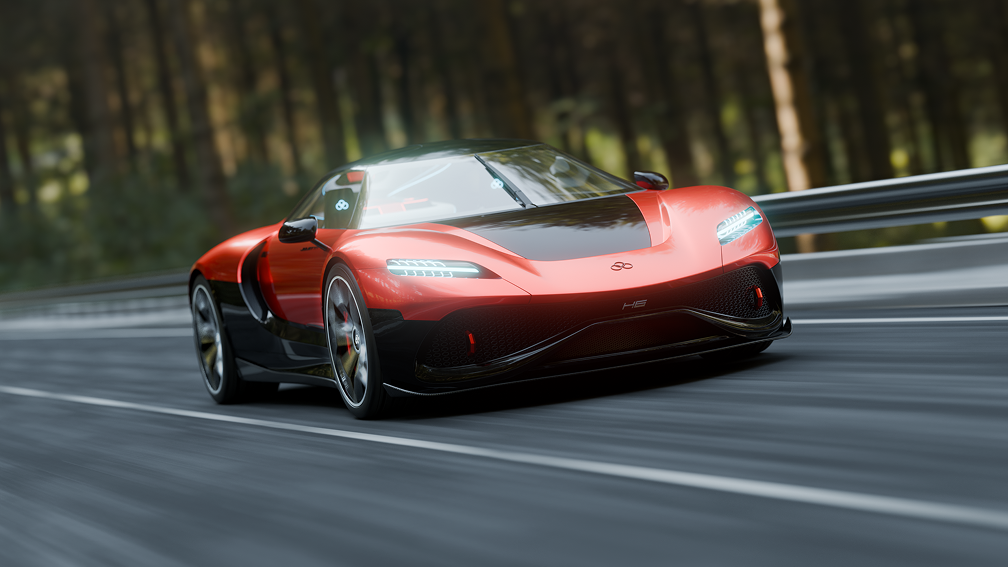
I experimented with HDRI lighting and street scenes to see how the car responded to different materials, colours and surroundings. The final renders explore reflections and atmosphere across urban, forest and mountain settings.
04

Group projects
Individual projects
About me
Home
Contact
Urban design
Interaction
design
Playful
placemaking
Fish street
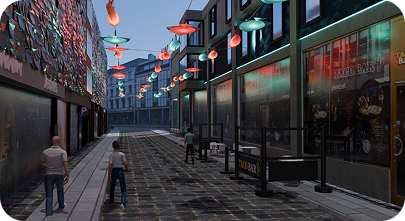
Fish Street reimagines a street in Gothenburg with playful installations and lighting that invite people to explore and interact.
Fish street
Concept
design
Industrial
design
Systems
thinking
The first & the last
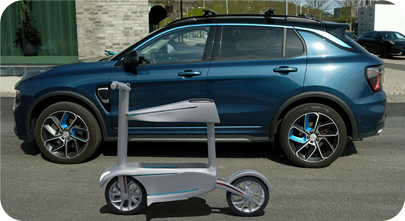
A speculative micromobility concept for 2030, designed to extend the Lynk & Co car experience and solve first- and last-mile urban transportation.
The first & the last
Interaction
design
User studies
3D-modeling
Social Gothenburg
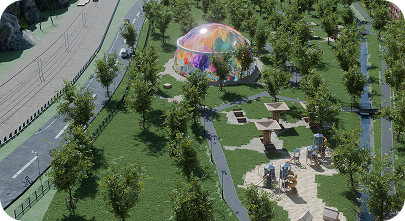
The goal was to design something for a set location in gothenburg, and find a way of making people socialise and connect with each other.
Social Gothenburg
Usability
User testing
Figma
Whitelines
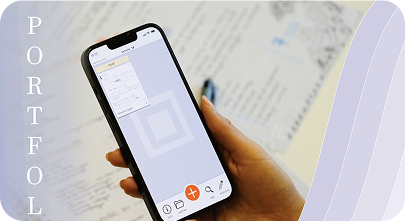
A project where we found issues with an existing interface and through user testing, made a redesign that was more efficient and less confusing.
Whitelines
Prototyping
Interaction
design
User testing
Amica
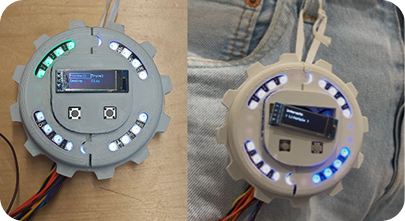
A personal gadget to assist in finding friends with similar interests as yourself. The theme was wearable and social.
Amica
Blender
Scene setup
Geometry nodes
Environments
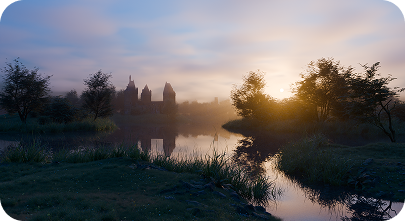
Doing landscapes was how i learned blender. I started of by copying a guide and with the later landscapes started doing some things of my own.
Environments
Blender
Scene setup
3D modeling
Car
My biggest 3D modeling project where I modeled each surface of the exterior and interior of a car and made renders with hdri enviornments.
Car
Houdini
2D animation
VFX
Fun things
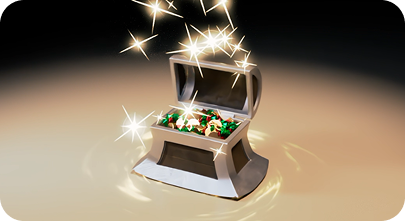
Some fun things from courses where I learned 2D animation and Houdini.
Fun things
Car
